
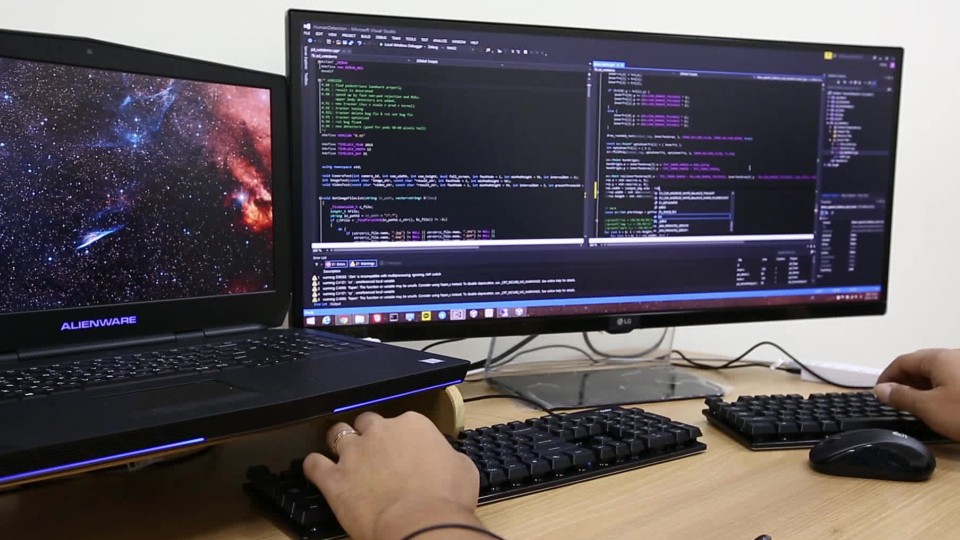

In the modern digital age, software is the invisible engine powering almost every facet of our lives—from the smartphones we rely on to global financial systems, healthcare, transportation, education, and entertainment. It is the unseen architect behind the user experiences we take for granted and the algorithms that shape our digital footprints. While hardware provides the physical shell, software breathes intelligence and function into our machines. This article explores the concept of software, its evolution, classification, real-world applications, and the ethical questions it raises in an increasingly automated world.
Businesses adopt outsourced testing services to gain access to specialized expertise and reduce operational costs. External teams handle testing efficiently, ensuring high-quality results. This allows companies to focus on development while benefiting from faster execution, scalability, and improved product performance across various platforms.
What Is Software? The Essence of Digital Functionality
Software refers to a collection of data, instructions, or programs used to operate computers and execute specific tasks. Unlike hardware, which is the tangible part of a computer system, software is intangible—existing as code written in programming languages and interpreted by machines to perform a wide range of operations.
Key Characteristics of Software:
-
Intangibility: Software cannot be physically touched but plays a crucial operational role.
-
Adaptability: It can be easily modified or upgraded to accommodate new tasks or preferences.
-
Automation: Software allows machines to perform tasks automatically without human intervention.
-
Scalability: It can be designed to handle growing amounts of work or users without losing efficiency.
A Brief History of Software: From Punch Cards to Artificial Intelligence
The journey of software began long before personal computers became ubiquitous. The earliest forms were sets of punched cards used in mechanical looms and early computers to automate processes.
Milestones in Software Development:
-
1940s: The first software programs were written for mainframe computers using machine language.
-
1950s-60s: High-level languages like Fortran and COBOL emerged, making software more accessible.
-
1980s: Personal computers brought software into homes, and operating systems like MS-DOS and Windows revolutionized user interaction.
-
1990s-2000s: The internet era saw a boom in web-based applications and software-as-a-service (SaaS).
-
Present Day: Artificial Intelligence, cloud computing, and mobile platforms dominate the software landscape.
Software’s evolution parallels humanity’s growing dependence on digital technology, constantly reshaping how we interact with the world.
Categories of Software: From System to Specialized
Software is broadly categorized based on its function and the users it serves.
1. System Software
This forms the foundation for all other software. It includes operating systems and utility programs that manage hardware resources.
-
Examples: Windows, macOS, Linux, Android, device drivers, file management tools.
2. Application Software
Designed to help users perform specific tasks, from document creation to gaming and data analysis.
-
Examples: Microsoft Office, Adobe Photoshop, Zoom, Google Chrome.
3. Programming Software
Used by developers to write, test, and maintain other software.
-
Examples: Visual Studio, Eclipse, compilers, and text editors.
4. Middleware
Acts as a bridge between different software applications or between software and hardware, facilitating communication.
-
Examples: Database middleware, message brokers, application servers.
Each category serves a unique purpose, yet they often operate interdependently to deliver a seamless user experience.
Software in Everyday Life: The Ubiquitous Utility
Software’s omnipresence in modern life cannot be overstated. Its impact spans virtually every industry and aspect of daily existence.
Real-World Applications:
-
Healthcare: Electronic health records, diagnostic tools, and robotic surgeries are all powered by software.
-
Education: Learning management systems, online classrooms, and virtual labs enhance both teaching and learning.
-
Finance: Banking apps, stock trading platforms, and financial algorithms streamline global transactions.
-
Transportation: GPS navigation, autonomous vehicles, and airline reservation systems rely on complex software.
-
Entertainment: Streaming services, video games, and digital art creation tools owe their existence to software innovation.
The true value of software lies in its versatility—enabling efficiency, personalization, and innovation across disciplines.
Emerging Trends in Software Development
As technology advances, so too does the realm of software. Emerging trends continue to redefine the possibilities of what software can achieve.
Notable Developments:
-
Cloud Computing: Shift from on-premises solutions to cloud-hosted applications offers scalability and flexibility.
-
Artificial Intelligence and Machine Learning: Software that learns and adapts is changing everything from customer service to scientific research.
-
DevOps and Agile Methodologies: Streamlining development and deployment cycles for faster, more reliable software delivery.
-
Cybersecurity Software: With rising digital threats, robust security software is more crucial than ever.
-
Open Source Movement: Encourages collaboration and transparency, with communities co-developing impactful tools like Linux, Apache, and Python.
These advancements promise a future where software becomes not just a tool, but an intelligent collaborator in every domain.
Ethical and Social Implications of Software
With great power comes great responsibility. As software becomes more sophisticated, ethical concerns about its development and use grow louder.
Points of Ethical Concern:
-
Privacy: Software often collects and processes personal data, raising questions about surveillance and consent.
-
Bias and Fairness: Algorithms can reflect and amplify societal biases if not carefully designed.
-
Job Displacement: Automation threatens to displace human workers in various sectors.
-
Dependency: Overreliance on software can lead to reduced human judgment and critical thinking.
Developers, policymakers, and users must collaborate to ensure that software serves humanity equitably and ethically.
Conclusion: Software as the Backbone of Modern Civilization
Software is not just a technical construct—it is a cornerstone of modern civilization. It powers innovation, fuels economies, enhances quality of life, and enables boundless creativity. As we move deeper into the digital era, the importance of software will only grow, demanding both technical excellence and thoughtful responsibility.
Comments are closed.